Finding Calm in a Busy World: Practical Ways to Manage Stress
/Finding Balance in a Busy Modern World
Life today can feel like a constant race. Work demands, family responsibilities, digital distractions, financial pressures, and busy schedules can make it difficult to slow down and take care of ourselves.
While some stress is a normal part of life, ongoing stress can influence how we feel and function day to day. It may affect sleep, energy, mood, concentration, physical tension, and our ability to maintain healthy habits.
That's why stress management is an important part of holistic health and preventive wellness.
Rather than waiting until we feel completely overwhelmed or unwell, a preventive approach encourages us to pay attention to our bodies, understand our individual needs, and build healthy habits that support long-term well-being.
At our health and wellness center, we take a whole-person approach that can include chiropractic care, functional medicine, movement, breathwork, meditation, nutrition, and other healthy lifestyle practices.
What Is Holistic Health?
Holistic health looks beyond a single symptom or isolated aspect of wellness. It considers how different areas of life—including physical health, stress, sleep, movement, nutrition, environment, and emotional well-being—can interact.
This doesn't mean ignoring conventional healthcare. Instead, holistic wellness can complement appropriate medical care by encouraging individuals to become active participants in their overall health.
A holistic approach asks questions such as:
How well are you sleeping?
How are you managing daily stress?
Are you moving your body regularly?
Are you eating in a way that supports your individual needs?
Do you have time for recovery and relaxation?
Are physical discomfort or mobility concerns affecting your daily life?
What healthy habits can you build today to support your future well-being?
These questions can help shift the focus from simply reacting to health concerns toward preventive health and proactive wellness.
Chiropractic Care and Whole-Body Wellness
Chiropractic care is one component of a comprehensive approach to physical wellness.
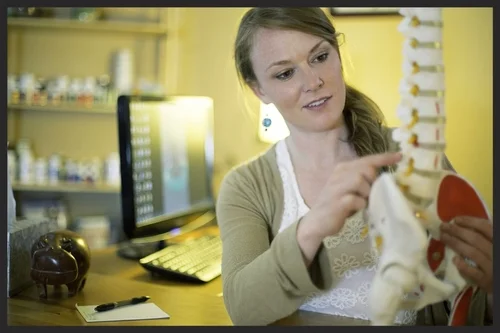
Chiropractic professionals commonly focus on the musculoskeletal system, including the spine and joints, and may use hands-on techniques along with movement, exercise, and lifestyle recommendations depending on the individual's needs.
For people dealing with physical tension or discomfort, incorporating appropriate movement and body-focused care into a broader wellness plan may be one part of supporting mobility and function.
At a wellness center, chiropractic care can also fit into a larger conversation about posture, movement habits, ergonomics, exercise, and maintaining an active lifestyle.
Your body is designed to move. Supporting healthy movement throughout life is an important part of preventive wellness.
Functional Medicine: Looking at the Bigger Picture
Functional medicine is an approach that seeks to understand health through the context of the individual rather than focusing exclusively on isolated symptoms.
Depending on the practitioner and the individual's circumstances, functional medicine may consider areas such as nutrition, lifestyle, sleep, stress, environmental factors, and personal health history.
This individualized perspective can be especially relevant when creating a long-term wellness strategy.
Rather than asking only, "How do we manage this symptom?" a broader wellness conversation may also explore questions such as, "What factors could be influencing my overall health?" and "What sustainable changes could help me feel and function at my best?"
Functional medicine should work alongside appropriate medical evaluation and care when needed. Preventive health is strongest when decisions are based on your individual history, needs, and evidence-informed guidance.
Breathwork: A Simple Tool for Stress Management
One of the simplest tools for creating a moment of calm is your breath.
When we're under pressure, breathing patterns can change. Taking intentional time to slow down and pay attention to your breathing can create a natural pause in a busy day.
Breathwork involves intentional breathing patterns and techniques. For a simple relaxation practice, sit comfortably, allow your shoulders to relax, and take a gentle, comfortable breath in. Then slowly exhale without straining or forcing the breath.
Try practicing for a few minutes while sitting quietly, during a work break, or as part of your evening routine.
The purpose isn't to eliminate stress. It's to create a moment of awareness and give yourself an opportunity to slow down.
If a breathing exercise makes you dizzy, uncomfortable, or anxious, stop and return to your normal breathing. People with certain health conditions should discuss breathwork practices with an appropriate healthcare professional.
Meditation and Mindfulness
Meditation can be another valuable component of a holistic stress-management routine.
Meditation involves intentionally directing attention—often toward the breath, body sensations, a sound, or a guided practice. When your mind wanders, you simply notice it and gently return your attention.
You don't need an hour of uninterrupted quiet to begin.
Start with five minutes.
Sit comfortably. Put your phone aside. Close your eyes if that feels comfortable, or soften your gaze. Notice your breathing and allow yourself to be present for a few moments.
With consistency, meditation can become a practical way to create space in an otherwise demanding day.
Exercise: Move Your Body to Support Your Health
Regular physical activity is another cornerstone of preventive health.
Exercise can support cardiovascular fitness, muscular strength, mobility, balance, and overall physical well-being. It can also provide an opportunity to step away from work and technology and reconnect with your body.
Your exercise routine doesn't have to be complicated.
Consider activities such as:
Walking
Strength training
Yoga
Pilates
Swimming
Cycling
Hiking
Dancing
Mobility and stretching exercises
The most effective routine is one that fits your lifestyle and that you can maintain consistently.
If you're new to exercise, have been inactive, or have health concerns, consider speaking with an appropriate healthcare professional before beginning a new program.
Preventive Health Starts With Small Choices
Preventive health isn't about pursuing perfection.
It's about recognizing that the choices we make regularly can contribute to our overall health and quality of life.
That might mean scheduling appropriate health screenings, staying physically active, eating nourishing foods, getting adequate sleep, managing stress, maintaining supportive relationships, or seeking professional guidance when something doesn't feel right.
It can also mean paying attention to your body before a small concern becomes a larger disruption to your life.
A preventive approach encourages us to be proactive rather than waiting for a problem to force us to pay attention.
Creating Your Personal Wellness Routine
A sustainable wellness routine doesn't have to involve dozens of new habits.
Start with a few simple practices.
Morning: Take several minutes for mindful breathing or gentle movement.
During the day: Take movement breaks, step away from your screen, and practice healthy stress-management habits.
Exercise: Find a form of physical activity you enjoy and make it part of your regular routine.
Evening: Create time to disconnect from technology, relax, and prepare your body and mind for sleep.
Regular wellness care: Work with qualified healthcare and wellness professionals to address your individual needs and support your preventive health goals.
Over time, these small choices can become habits that support a healthier lifestyle.
A Whole-Person Approach to Wellness
Stress doesn't exist in isolation. Neither does physical health.
The way we sleep, move, eat, breathe, work, recover, and manage stress can all be part of the larger picture of our well-being.
That's why combining practices such as chiropractic care, functional medicine, exercise, breathwork, meditation, nutrition, and preventive health strategies can provide a more comprehensive framework for wellness—when appropriately tailored to the individual.
You don't have to change your entire life, although sometimes we feel like we want to. It’s the atomic habits – small consistent changes in habits that add up to change over time and make live a little more manageable and less overwhelming.